The Exit Trap: How Platforms Clock the Moment You're About to Leave — And What They Do About It
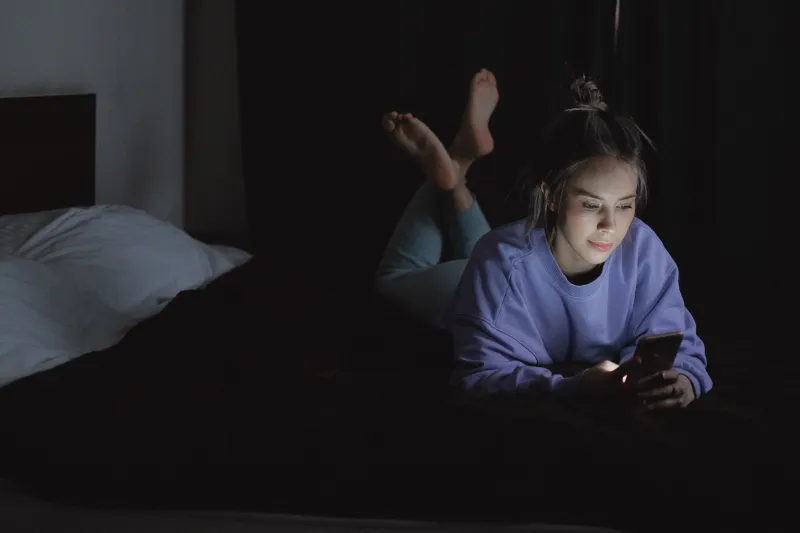
You know the feeling. You've been scrolling for twenty minutes longer than you meant to. You're bored, kind of annoyed at yourself, and your thumb is already drifting toward the home screen. Then — buzz. A notification. Someone you follow just went live. Or dropped something. Or sent a message that reads like it was written specifically for you, right now, in this moment of almost-leaving.
And you stay.
This isn't luck. It isn't coincidence. And it's worth sitting with how unsettling that actually is.
Your Boredom Has a Signature
Platforms have been tracking behavioral exit signals for years. The scroll slows down. Taps become less frequent. You linger on a post for a beat too long without engaging. You open the app and close it within seconds. These micro-behaviors, in aggregate, form what engineers sometimes call a "churn signature" — a recognizable pattern that precedes disengagement.
This isn't theoretical. TikTok, Instagram, and YouTube all operate on reinforcement learning models that are specifically optimized to minimize session drop-off. When the model detects that your engagement curve is flattening, it shifts gears. The content it surfaces changes. The pacing of what gets served to you changes. And in some cases, the notification layer activates.
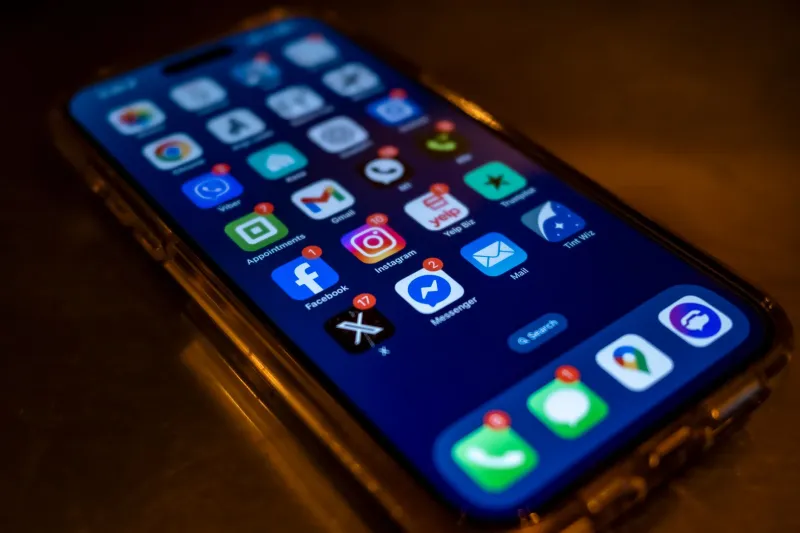
What you experience as a random ping is often a calculated intervention. The platform isn't psychic. It just has enough data points on you — and millions of people who behave like you — to know that this is the moment you need a hook, not a scroll.
The Creator Side of the Equation
Here's where it gets stranger. Creators — especially those operating at mid-to-large scale — are increasingly plugged into their own analytics dashboards in real time. YouTube Studio, TikTok analytics, Patreon's retention graphs: all of it is available, often on mobile, often obsessively checked.
Some creators have gotten genuinely good at reading these signals and responding to them. They know that posting at certain times correlates with higher retention. They know that going live when their usual viewership dips tends to pull people back in. They know that a well-timed "hey I'm about to drop something" Story can reverse a follower's slow fade.
Is this manipulation? That word carries a lot of weight. But it's hard to find a cleaner one when the explicit goal is to interrupt your decision to leave.
What makes it feel especially strange is the asymmetry. The creator knows something about your behavior that you don't consciously know about yourself. You thought you were just idly putting your phone down. They — or rather, their data — knew you were doing it before you did.
Urgency as a Design Feature
Scarcity and urgency are among the oldest psychological levers in advertising. Limited time. Only a few left. Ends tonight. The internet didn't invent these tricks, but it industrialized them at a scale that would make old-school direct mail marketers dizzy.
The "going live" notification is a masterclass in manufactured urgency. Live content, by definition, can't be paused or rewound (at least not in the moment). Miss it and it's gone. The psychological pressure of that is real, even when the stakes are objectively low — even when it's just someone playing a video game or unboxing something.
Platforms know this. Which is why they've built live features into every major app, and why they push live notifications more aggressively than almost any other content type. It's not that live content is necessarily better. It's that the format itself triggers a specific anxiety response that keeps people from leaving.
Combine that with a creator who has learned, consciously or not, that going live when their numbers dip tends to spike them back up — and you have a feedback loop that's almost self-perpetuating.
The Synchronization Problem
The genuinely weird part — the part that makes this feel less like a business strategy and more like something out of a Philip K. Dick story — is how synchronized the platform and the creator sometimes appear to be.
You're about to leave. The algorithm detects it. It surfaces a notification. The creator, checking their analytics, sees a dip and goes live. The platform pushes that live notification harder because live content is prioritized. You get pulled back in from two directions simultaneously, by two entities who aren't explicitly coordinating but whose incentives are perfectly aligned.
This is what "eerie synchronization" actually looks like in practice. It's not a conspiracy. It's something arguably stranger: a system that produces conspiratorial-feeling outcomes through pure optimization pressure. Everyone is just doing what their incentives tell them to do, and the result is an experience that feels almost sentient in its persistence.
The Desperation Underneath
There's something worth naming here that doesn't get discussed much: the desperation that underlies all of this.
For creators, especially those whose income depends on consistent engagement, a disengaging audience isn't just an analytics problem — it's a financial one. The pressure to retain attention isn't abstract. It's rent. It's whether the algorithm keeps recommending your content or quietly buries it. The urgency tactics, the last-minute live sessions, the notifications timed to catch you before you're gone — these aren't just cynical plays. They're often the behavior of people who are genuinely scared of losing the thing they've built.
Platforms, for their part, are running the same math at a larger scale. Every session that ends early is a lost ad impression, a lost data point, a fractional erosion of the engagement metrics that justify their valuations.
Everybody in this system is trying not to lose you. And the tools they're using to do that are getting sharper every year.
What You Can Actually Do With This
Knowing the mechanics doesn't automatically free you from them. That's the honest answer. Understanding that a notification was algorithmically timed doesn't make it less effective at pulling you back in — your nervous system processes the buzz before your prefrontal cortex gets a vote.
But awareness does something. It changes the texture of the experience. When you notice that you're being retained rather than choosing to stay, that's a real distinction. The app isn't broken. The creator isn't your friend who happened to text at the right moment. The system is working exactly as designed — and that design is oriented entirely around keeping you inside it.
The exit is always available. The trap only works if you don't recognize the door.