Only Online at 3 A.M.: A Field Guide to America's Night-Shift Internet
Every online community has a circadian rhythm, and most of them peak around prime time. But there's a second internet that runs on the hours everyone else abandons — and once you've spent a night in it, you start to recognize its particular texture: slower, stranger, more honest.
What follows is less a ranking than a field guide. These are the places that belong to the dark hours.
The 3 A.M. Trading Floor
Day traders get the headlines, but the overnight session belongs to a different species. While the NYSE sleeps, futures and crypto never close, and the forums that track them run on a skeleton crew of night owls, West Coast insomniacs, and people in other time zones entirely.
The slang is thick — "bagholders," "rug pulls," "moon math" — but the culture is surprisingly communal. Low-traffic hours mean every question gets an answer, usually a long one, often from someone who's been awake for twenty hours and has stopped performing confidence. It's the most honest market commentary on the internet, precisely because nobody's performing for an audience that isn't there.
The Graveyard Shift Confession Booth
Subreddits like r/nightshift and the various "overnight workers" communities operate on a simple premise: when your whole life runs on a schedule inverted from everyone you know, you need somewhere to talk at 4 a.m. on a Tuesday.
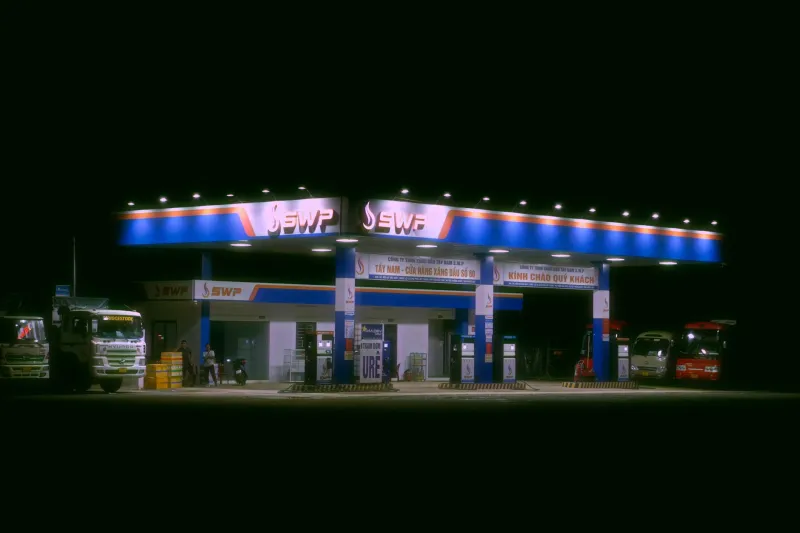
The rituals are distinctive. Shift-change threads. Posts that begin "anyone else just get home and can't wind down?" Stories from hospital orderlies, gas station clerks, warehouse pickers, hotel front desks — the invisible workforce that keeps America running while it dreams. The tone is a mix of gallows humor and genuine tenderness. These threads regularly produce some of the most sincere writing on Reddit, because the audience is small, the hour is raw, and nobody came to perform.
Ham Radio's Midnight Fringe
Amateur radio is old enough to have its own nocturnal physics: certain bands propagate better at night, which means the insomniacs of ham radio have always had a structural reason to be awake. Their forums and Discord servers hum in the small hours with skip reports, antenna debates, and the eternal quest to log a contact with someone on the other side of the planet.
It's a hobby of patient, quiet people, and the overnight threads read like letters from a slower century — long, courteous, and full of technical generosity. Ask a question about a coax connector at 2 a.m. and you'll have three detailed diagrams by sunrise.
The Single-Digit Stream
Twitch's front page is a casino. But drift into the directory's deep pages and you'll find thousands of streams with one to nine viewers, most airing between midnight and dawn.
These are communities in the truest sense. The streamer knows everyone's name because there are only a handful of names to know. Chat moves at conversation speed. People come back nightly — the same trucker on his break, the same nursing student on hers, the same guy who's been watching the same Minecraft stream every night for two years. Nobody's chasing a follow count. They're keeping each other company, which was always the point.
The Insomniacs' Commons
Finally, the catch-all: the insomnia forums and late-night Discord channels where the only membership requirement is being awake when you shouldn't be. These spaces have their own etiquette — no big questions before sunrise, no pressure to be okay, an understanding that 4 a.m. thoughts are a different substance than daytime ones and should be handled accordingly.
The slang is minimal; the ritual is presence. Someone posts "awake again." Someone else replies "same." That's the whole liturgy, and it works.
Why the Small Hours Make the Sincerest Internet
There's a pattern across all of these spaces, and it isn't the topic — it's the absence of stakes. The daytime internet is an economy: attention to be farmed, takes to be monetized, audiences to be grown. The night-shift internet has no economy. Nobody's building a brand at 3 a.m. Nobody's optimizing.
What's left when you remove the performance is the thing the internet was supposed to be for all along: strangers, being real with each other, in the dark, while the rest of the world sleeps off its feed.