Mall Rats of the Dead Web: Inside the Warehouses Where GeoCities Goes to Be Resurrected
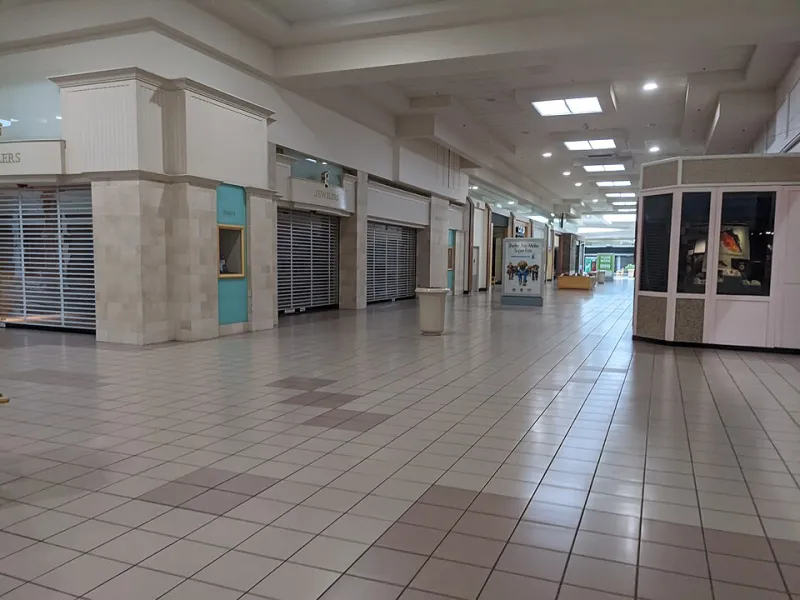
Photo: 3steph14, CC BY-SA 4.0, via Wikimedia Commons
There's a particular kind of silence on the internet that doesn't exist anywhere else. You click a link — maybe one you've had bookmarked for a decade, maybe one dug up from an old forum signature — and you get the digital equivalent of a plywood storefront: 404 Not Found.
For a while now, a loose network of American hobbyists has been treating that silence as a problem worth solving. Not a nuisance. A problem. They download entire forums before hosts pull the plug. They mirror Flash games orphaned when browsers dropped support in 2020. They keep spreadsheets of what's been saved and what's about to vanish. And increasingly, they're asking a question that sounds sentimental but isn't: why do we grieve websites like we grieve places?
The Dead Mall Comparison Is Not a Metaphor
Americans already have a vocabulary for this feeling. The dead mall — that cathedral of 1980s carpet and abandoned food court — became a whole aesthetic movement, complete with YouTube documentaries and photography books. The abandoned website is the same grief with a different floor plan.
Walk through the archives of GeoCities neighborhoods and you'll see it immediately. These weren't documents; they were rooms. The under-construction GIFs, the MIDI autoplay, the visitor counters frozen at 4,213 — all of it was decoration, sure, but decoration is how people mark territory. A MySpace page with a glittery layout and a Top 8 told you exactly who a teenager in Ohio was in 2007. The page was a bedroom. Deleting it was an eviction.
That's why the loss stings differently than losing, say, a corporate landing page. Nobody mourns a Terms of Service.
The Rescue Crews
The preservation world runs on small, stubborn crews. When Yahoo announced it would close GeoCities in 2009, the Archive Team — a self-described "rogue" collective — scrambled and scraped terabytes of the neighborhood before the lights went out. When Adobe killed Flash, an alliance of museums, hobbyists, and the Internet Archive built Flashpoint, a launcher that keeps tens of thousands of browser games playable. When a niche forum's hosting bill goes unpaid, someone usually mirrors it within days.
These people aren't paid. Many are doing it on weekends, between shifts, out of a conviction that the casual web — the hand-built, ugly, sincere web — deserves the same preservation instinct we give to diner signs and drive-in theaters.
There's a legal gray zone they navigate constantly. Copyright doesn't disappear just because a site died, and archivists routinely make judgment calls about what to save and what to respect. It's preservation with a conscience, mostly, and occasionally with a lawyer.
Why the Grief Is Real
Psychologists who study digital attachment point out that online spaces accumulate the same emotional sediment as physical ones. You didn't just visit a forum; you became a regular. You had a spot. Other people recognized your username. When the site dies, that social geometry collapses — and unlike a physical haunt, there's often no trace left to visit.
The rush to archive, then, isn't really about files. It's about proof. Proof that you were there, that the community existed, that the inside jokes happened. A saved forum thread is a photograph of a friendship.
What Gets Lost Either Way
Here's the uncomfortable part: preservation changes the thing. A GeoCities page rebuilt in a browser emulator is a diorama, not a neighborhood. The dead links to nowhere, the broken webrings, the sense that this page was one node in a living web — some of that is unrecoverable, and maybe should be.
The archivists mostly know this. The best of them talk about their work less like restoration and more like field notes. Here's what it looked like. Here's how it worked. We can't bring it back, but we can stop pretending it never existed.
In a country that paves its own history at a remarkable clip, that might be the most American impulse on the whole internet: tear it down if you must, but somebody's going to keep the photographs.