One-Sided and Still Hurts: The Strange Grief of Loving Someone Who Didn't Know You Existed
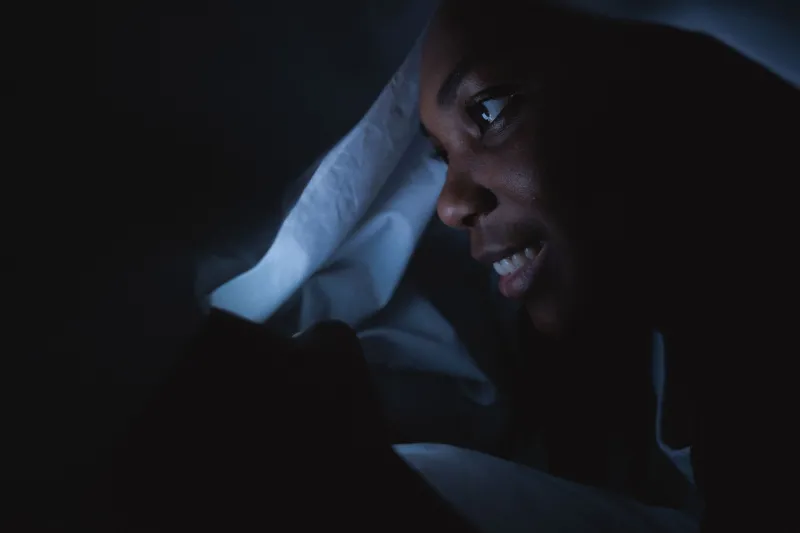
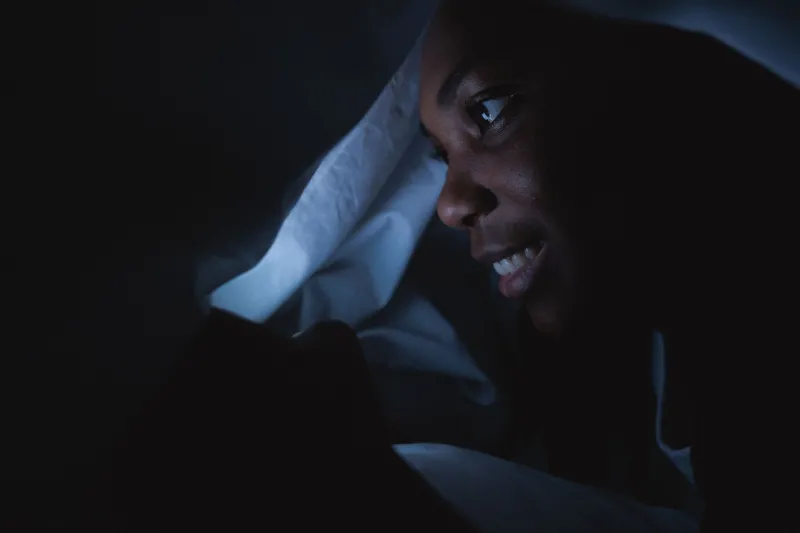
There's a specific kind of silence that happens when a creator you've followed for years suddenly goes dark. No final video. No goodbye tweet. Just the archive, sitting there, and you — refreshing a page that's stopped updating like you're waiting for a text back from someone who dropped their phone in a lake.
The weird part? It hurts. Actually hurts. And somewhere in the back of your head, a voice tells you it shouldn't — because they didn't know your name. They never did.
Welcome to the parasocial autopsy. Pull up a chair.
Your Brain Doesn't Know the Difference
Here's the uncomfortable truth that neuroscientists have been quietly documenting for a while now: the human brain processes parasocial relationships using the same social circuitry it uses for real ones. When you watch someone talk directly into a camera for forty minutes a day, your mirror neurons don't get a memo clarifying that this is technically a broadcast. They just fire. You feel present. You feel seen, even when you're not.
This isn't a bug. It's an ancient feature. Human social cognition evolved in small groups where repeated exposure to a face, a voice, a set of opinions and jokes meant you actually knew that person. The brain had no reason to build a filter for parasocial one-sidedness because, until about fifteen years ago, it barely needed one.
Now it does. And it's struggling.
The result is that millions of people carry what psychologists sometimes call "parasocial bonds" — emotional attachments that feel structurally identical to friendship, without the reciprocity that usually defines one. When those bonds break, the grief response that kicks in is neurologically indistinguishable from losing someone real. Your anterior cingulate cortex doesn't read the terms of service.
The Creator Economy Built a Feeling Factory
This isn't purely accidental. The creator economy — YouTube, TikTok, Twitch, Substack, the whole ecosystem — runs on intimacy as a product. The parasocial bond isn't a side effect of the format. In a lot of cases, it's the format.
Think about what a successful creator actually does: they talk to you directly, they share their anxieties, they give you inside jokes, they remember — or perform remembering — things their audience cares about. They're present in your earbuds during your commute, on your phone while you eat lunch alone, on the TV while you fold laundry at midnight. The relationship gets woven into the texture of your daily life in a way that most real friendships don't even manage.
And the more sophisticated creators — the ones who've been doing this long enough to understand what they're doing — know this. Some of them are genuinely grateful for it. Some of them are uneasy about it. And some of them, if we're being honest, have learned to pull specific levers to deepen that attachment in ways that are a little harder to feel good about.
Vulnerability content — the tearful confession video, the "I almost quit" post, the health scare update — generates enormous engagement not because audiences are ghoulish, but because it triggers the exact caregiving instincts that real relationships activate. It says: this person trusts me with something fragile. And once that switch flips, the bond calcifies.
What the Mourning Actually Looks Like
When a creator dies — and several notable ones have, in recent years — the response from their communities can look, from the outside, disproportionate. Comment sections fill with grief that rivals what people express for family members. People who've never met each other suddenly form temporary communities around shared loss. Some fans describe physical symptoms: not sleeping, not eating, crying in their cars.
The dismissive take is that this is parasocial pathology — people who don't have "real" relationships substituting fictional ones. But that framing misses something important. For a lot of people, especially younger audiences or those who are isolated, these bonds aren't a substitute for real connection. They're sometimes the only consistent social experience available. The creator was there every week. They were reliable in a way that people sometimes aren't.
That grief is real because the relationship, even one-sided, was real in its effects. It shaped your mood, your humor, your sense of what was worth caring about. Losing that source isn't nothing. Calling it "just parasocial" doesn't actually make the pain smaller — it just makes you feel embarrassed about it on top of everything else.
The Autopsy Cuts Both Ways
Here's where it gets genuinely complicated: creators feel this too, just from the other direction.
Many creators describe a creeping sense of responsibility for their audience's emotional wellbeing that they never signed up for and don't know how to handle. They're aware that when they take a break, some portion of their audience will spiral. They've read the comments. They know there are people for whom their content is load-bearing.
That weight can be crushing. Some creators burn out not from the work itself but from the relentless awareness of what they represent to people they've never spoken to. The parasocial relationship, it turns out, has a version that runs in both directions — just asymmetric, just off-balance enough to feel strange from either end.
And when a creator "dies" in the softer sense — when they quit, or rebrand, or stop being who their audience fell for — that grief is real too. You're not mourning a person, exactly. You're mourning a version of a person that may have always been partly a construction, and you're mourning your own past self who believed in it fully.
The Signal Under the Noise
So what do you do with any of this?
Probably nothing dramatic. The parasocial bond isn't something to be pathologized out of existence — it's a feature of how humans connect in a media-saturated world, and it's not going anywhere. But being able to name it, to understand what's happening in your nervous system when a creator's absence hits harder than you expected — that's worth something.
The grief is real. The connection was real, in the ways it mattered. And the fact that they didn't know your name doesn't retroactively make it hollow.
It just makes it lonely in a very specific, very modern way.
Which, honestly, tracks for where we are.