The Screen Between You: How Streamer-Fan Dynamics Are Sliding Into Uncomfortable Places
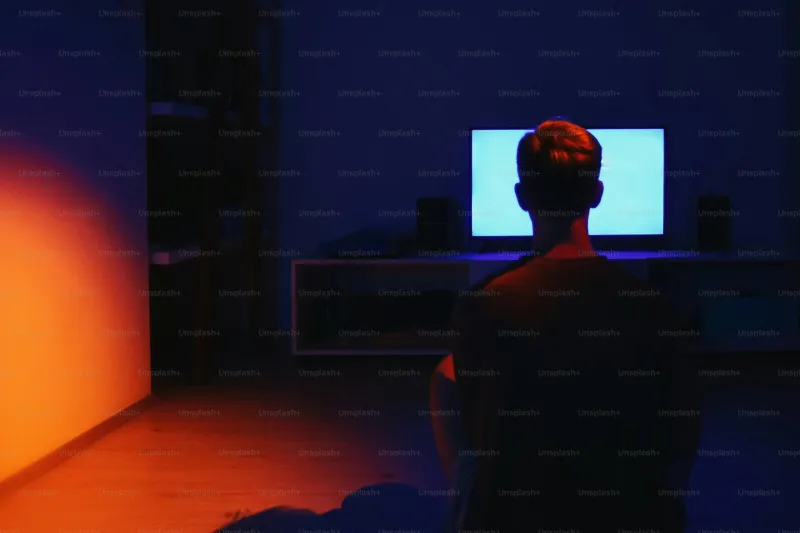
Photo: person watching computer screen glow dark room streaming, via plus.unsplash.com
There's a specific moment that people who study online communities have started calling "the glitch." It's when the performance — the streamer being a personality, the audience being an audience — briefly stops making sense. The fourth wall doesn't just break. It sort of dissolves, and for a second, everyone on both sides of the screen seems genuinely unsure what's happening.
These moments used to be rare. Now they're practically a genre.
What Makes Streaming Different
Parasocial relationships — the one-sided emotional bonds people form with media personalities — aren't new. People cried when Phil Hartman died. They felt like they knew Johnny Carson. Fan communities have organized around celebrities for as long as celebrities have existed. Psychologists coined the term "parasocial" back in 1956, and the basic dynamic hasn't changed much since.
But streaming introduces variables that older entertainment formats didn't have. When you watch a streamer for four hours a day, six days a week, you're not consuming a produced, edited, curated version of a person. You're watching someone exist in real time — make decisions, have bad days, get frustrated, laugh at things, interact with the people around them. The parasocial relationship that develops is built on a different kind of intimacy than what you get from a TV show or an album.
And then there's the chat. The chat changes everything.
When a streamer reads your username, responds to your comment, laughs at your joke — that's a genuine interaction. It happened. It's real. The problem is that for the streamer, it's one of hundreds or thousands of interactions happening simultaneously, and for the viewer, it might be the most direct contact they have with any public figure. The asymmetry is massive, but it doesn't always feel that way in the moment.
The Feedback Loop That Gets Weird
Some streamers understand this dynamic and try to manage it responsibly. They're transparent about the fact that they can't maintain individual relationships with their entire audience. They set limits on the kind of personal information they share. They push back when fan behavior starts crossing lines.
Others — either consciously or not — lean into it. And that's where things start sliding somewhere uncomfortable.
The business model of streaming actively rewards intimacy. Subscriptions, donations, gifted subs — all of these things increase when viewers feel personally connected to a streamer. The chat rewards emotional responses. Streamers who share personal struggles, who cry on stream, who seem genuinely affected by their audience's affection — they tend to do well. The incentive to perform intimacy, even when it's genuine, is always present.
Dr. Priya Sundaram, a media psychologist who's been researching parasocial dynamics in streaming communities, describes it as a feedback loop that's difficult to exit once it's running. "The audience provides emotional validation, the creator provides emotional access, and both sides are getting something real out of the exchange," she explains. "The problem is that the exchange isn't actually equal, and when the imbalance becomes visible — when something disrupts the illusion — the reaction can be pretty extreme."
When the Theories Go Dark
One of the stranger developments in streaming culture is the rise of fan theory communities that function less like entertainment analysis and more like amateur investigation. These communities — usually operating in Discord servers or subreddit threads — develop elaborate interpretations of a streamer's behavior, relationships, and mental state based on close observation of their content.
Some of this is benign. Fans have always read deeply into the media they love. But the real-time nature of streaming, combined with the sense of personal knowledge that parasocial bonds create, can push these communities toward genuinely unsettling territory. Theories about a streamer's romantic relationships based on background details in their room. Speculation about mental health crises derived from changes in streaming schedule. Attempts to identify family members from incidental mentions in old VODs.
The line between enthusiastic fandom and surveillance is thinner than most people want to acknowledge, and some of these communities have crossed it without seeming to notice.
What makes this particularly strange is that the streamers themselves are often aware these communities exist. Some engage with them, which creates a recursive weirdness — the subject of the speculation is watching the speculation happen, occasionally confirming or denying elements, which feeds back into the community's sense that they have real insight into this person's life.
The Streamers Who Lean In
There are creators who've built their entire brand around leaning into parasocial intensity, and the results are genuinely difficult to categorize. Is it performance art? Is it exploitation? Is it just a content strategy that happens to make some viewers uncomfortable?
Some streamers have cultivated audiences that genuinely seem to believe the relationship is reciprocal in ways it isn't. They use language that implies intimacy — "we" and "us" and "our community" in ways that blur the line between audience and inner circle. They share personal information strategically, creating the sense of access while maintaining control over the narrative. They respond to parasocial intensity not by setting limits but by encouraging it, because encouraging it is good for the numbers.
This isn't always cynical. Sometimes it's just a creator who's also lonely, who's also getting something out of the relationship, who's also confused about where the performance ends and the person begins. The screen between a streamer and their audience can feel like a mirror sometimes, and that's disorienting for everyone.
When It Breaks
The moments that people remember — the ones that get screenshotted and dissected and referenced for years afterward — are the ones where the glitch becomes visible. A streamer has a breakdown on stream and the audience's response reveals how much they'd misread the relationship. A creator announces a significant life change and a segment of their audience reacts as if they've been personally betrayed. Someone says something that makes it suddenly clear that the intimacy was never what it appeared to be.
These moments are uncomfortable to watch even secondhand. They reveal something about the transaction that everyone involved had agreed, implicitly, to keep obscured. The audience agreed to feel the relationship was real. The creator agreed to perform as if it was. When that agreement breaks down, there's no script for what happens next.
What's striking is how often these moments seem to surprise everyone — the creator, the audience, and the observers watching the whole thing unfold. As if nobody had stopped to think about what would happen when the feedback loop eventually shorted out.
Maybe that's the most honest thing you can say about where streaming culture is right now. It's an experiment that's still running, and nobody's entirely sure what it's measuring.