Grieving Someone You Never Met: The Weird Emotional Reality of Losing an Influencer

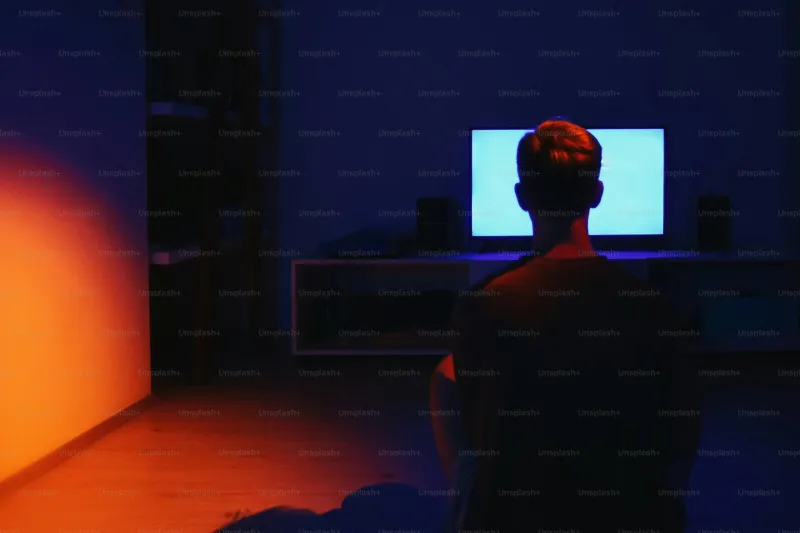
Photo by Photo by Summer Chan on Unsplash on Unsplash
The Notification That Changes Everything
You're scrolling, half-awake, maybe eating cereal. Then you see it — a post, a tweet, a pinned comment. Someone whose voice you've heard hundreds of hours of is gone. Retired. Dead. Just... done. And something in your chest does a thing you weren't expecting.
That feeling is real. It's not embarrassing. But it is worth examining, because the grief that erupts when an internet personality disappears is genuinely strange terrain — a kind of loss that didn't have a name twenty years ago and still doesn't have a clean one now.
We're living through an era where the emotional architecture of everyday life is partially built by people we've never shaken hands with. That's not a bug. For a lot of folks, it's kind of the whole point.
One-Way Streets and Why They Still Feel Like Highways
Psychologists have been using the term parasocial relationship since the 1950s, back when Donald Horton and Richard Wohl were studying how TV audiences bonded with on-screen personalities. The basic idea is simple: you feel like you know someone, but they don't know you exist. The relationship flows in one direction.
What's different now is the texture of that one-way street. Old-school TV parasocial bonds formed around characters or polished celebrity personas. What YouTube, Twitch, TikTok, and podcasting created is something more intimate — creators talking directly into a camera, often from their bedrooms, often for hours at a time, often about things that feel genuinely personal. When someone watches a creator's mental health struggles, their relationship drama, their late-night rambles about feeling lost — the parasocial bond that forms isn't shallow. It mimics the depth of a real friendship.
Your brain, for better or worse, doesn't fully distinguish between the two.
Case Studies in Digital Mourning
The pattern plays out in recognizable waves. When TotalBiscuit — John Bain, a deeply influential gaming critic — died of cancer in 2018, the outpouring across gaming communities was enormous and sustained. Forums ran tribute threads. YouTube comment sections became informal memorials. People who had never met him described feeling like they'd lost a mentor, an older sibling, a friend who always had a take worth hearing.
When Etika, the gaming streamer born Desmond Amofah, died by suicide in 2019, the grief online was raw and complicated — tangled up with guilt, with questions about whether the community had failed him during a very public mental health crisis, with anger and love running in the same current.
And it's not just death. When popular creators retire, go quiet, or abruptly abandon platforms, the reaction can mirror grief almost beat for beat. The stages are there — denial (maybe they'll come back), bargaining (what if they just take a break?), acceptance (a slow, reluctant letting go). When a major podcast ends its run, listeners report a strange hollowness in their morning commute, like a recurring appointment with a friend that just got canceled permanently.
Loneliness as Infrastructure
Here's the part that stings a little: the intensity of parasocial grief tends to correlate with how isolated someone already is. That's not a judgment — it's just what the research keeps suggesting. For people who lack robust in-person social networks, online creators can fill genuine emotional gaps. The intimacy is real even if the reciprocity isn't.
In 2024, with remote work still reshaping how Americans spend their days, with social anxiety rates elevated, with the general texture of public life still feeling slightly frayed — those gaps are common. The creator who shows up in your earbuds every Tuesday morning might genuinely be one of the more consistent presences in your week. When that presence disappears, you're not being dramatic. You're responding to an actual absence.
What's worth sitting with is what that tells us about the shape of loneliness right now. We've built incredible infrastructure for broadcasting intimacy — and almost none for catching the emotional weight that infrastructure generates when it collapses.
The Community That Grieves Together
One underexamined piece of this is how parasocial loss becomes communal. When a creator dies or disappears, fans don't just grieve privately. They grieve together, often in the very spaces the creator built — comment sections, subreddits, Discord servers. The community itself becomes a kind of living memorial.
This is genuinely interesting. The grief is parasocial in origin but becomes social in practice. Strangers who share a loss find each other, and in finding each other, they make something new. Fan-run tribute projects, archiving efforts, memorial streams — these aren't just sentimental gestures. They're communities discovering their own cohesion through shared mourning.
There's something almost ancient about that. Grief as the thing that shows a group it's actually a group.
What We're Really Losing
When we grieve an influencer, we're rarely grieving a person we understood fully — how could we? We knew a curated version, a performance even if it was an honest one. What we're often grieving is a relationship with our own past self. The version of us who was 22 and found this creator at exactly the right moment. The ritual of watching. The comfort of the familiar voice.
We're grieving a specific kind of time.
That's worth honoring, not dismissing. The impulse to tell someone "it's just the internet" is an impulse worth resisting. The internet is where a lot of life actually happens now. The connections made there — even the asymmetrical ones — carry real weight.
The fringe signal here is this: the way we mourn online personalities is a pretty accurate readout of what we're actually hungry for offline. Not content. Not entertainment. Something that feels like someone is there.