Nobody Can Search This: The Group Chat Quietly Became the Last Room in America

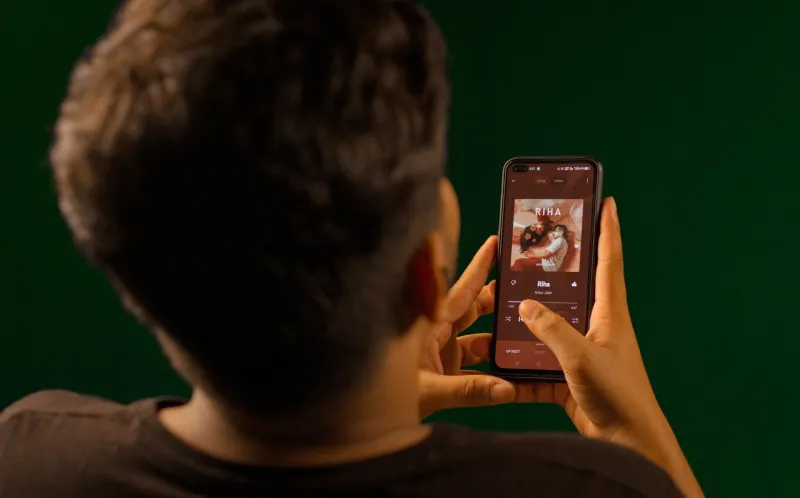
Photo: Gareth James , CC BY-SA 2.0, via Wikimedia Commons
Think about the last time you had an actual conversation online. Not a reply, not a quote-tweet, not a comment you composed with one eye on the audience. An actual exchange of unguarded thoughts.
Odds are good it happened in a group chat.
Somewhere in the last decade, the center of gravity in American internet life shifted from the public square to the private room, and almost nobody threw a parade for it. The feed is still there, still generating outrage at industrial scale, but it increasingly functions like a lobby — a place to perform — while the real business of friendship, gossip, organizing, and dissent happens in threads of six to twelve people that no search engine will ever index.
The Great Retreat
The reasons aren't mysterious. The public feed got exhausting. Every post became a press release, every joke a potential liability, every opinion a permanent exhibit for strangers acting in bad faith. Americans didn't stop wanting to talk; they stopped wanting an audience.
So the audience went away. The family group chat absorbed what used to be Facebook. The group text replaced the party invite. Discord servers became the new forums, gated by invitation and rule-bound in the way small towns are rule-bound — by relationship, not policy.
Encryption sealed the deal. When messaging apps rolled out end-to-end encryption by default, the private room became genuinely private in a way the early internet never was. What's said in the chat stays in the chat, not because of honor, but because of math.
The Marketers at the Door
Which brings us to the tension. An internet where the meaningful conversation is invisible is an internet that can't be advertised against, can't be trend-harvested, can't be monitored. And the industry has noticed.
The attempts to get back in are telling. Brands launching "community" Discords. Influencers with broadcast channels that simulate intimacy while remaining one-directional. Platforms building "Channels" and "Communities" features — pay close attention to that word, communities — trying to recreate the group chat's warmth inside a surveilled container. Even the push toward AI assistants living inside your messages is, in part, a bid to have something — anything — on the other side of that encryption wall.
So far, the wall is holding. You can fake a group chat. You can't fake being let in.
The Trade-Off Nobody Mentions
Here's the part worth sitting with: the last private place is also the least accountable one. Misinformation spreads through group chats with zero friction and zero correction — a screenshot in a family thread outlives any fact-check. Radicalization, rumor, and hoaxes all thrive in rooms nobody can see. Privacy is a package deal; you take the freedom and the fog together.
And there's a fragility to it, too. The group chat depends on a handful of apps and a handful of companies behaving. If the platform dies, the room dies with it — and unlike the public web, nobody's archiving your group texts.
The Room Stays Shut
Still, it's hard to mourn the trade. The feed gave everyone a microphone and nobody an ear. The group chat did the opposite, and honestly, the conversations got better. Smaller, weirder, kinder, meaner in the ways friends are allowed to be mean.
The town square was always a performance. The group chat is just people. Maybe that's why everyone left the square — and why no one who's found a good room is telling you where it is.