The 15-Second Ear: What a Decade of Clip Culture Did to Our Attention Spans
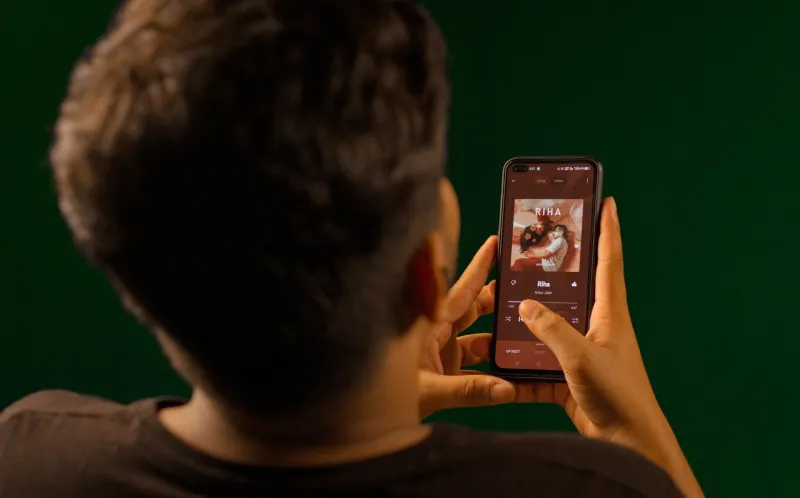
Here's a confession: I have songs in my library that I have never heard past the fifteen-second mark. Not because I skipped them — because that's all they are. A hook, a vocal chop, a loop that exists to soundtrack somebody's morning routine video. I saved it, I replay it, and if you played me the full version I'd probably get bored before the second verse.
I don't think I'm broken. I think I'm typical. And I think we should talk about it.
We've Been Here Before — Sort Of
The reflexive take is to blame TikTok, but the compression of music into fragments is older than the app on your phone. Remember ringtones? In the mid-two-thousands, the most profitable units of music in America were thirty-second clips sold for three dollars apiece. Nobody bought "Bohemian Rhapsody." They bought the operatic section. The fragment was the product.
Spotify's shuffle culture loosened the album further. YouTube sped-up edits — the ones pitching everything up fifteen percent because faster sounds more urgent — did the rest. By the time the short-form video platforms arrived, the audience was already trained. The clip economy didn't invent the fifteen-second ear. It inherited it and industrialized it.
Vibe Is a Genre Now
The clearest symptom is the rise of what I'd call vibe-forward music: tracks engineered to function as atmosphere rather than narrative. Lo-fi hip hop to study to. Ambient playlists named after weather. Songs that don't build to anything because building to something requires you to stay, and staying is exactly what the format punishes.
None of this is bad, and I want to be clear about that before the comments fill up with get-off-my-lawn energy. A loop that holds a mood is a legitimate artistic achievement. Brian Eno built a whole career on it, and he'd be the first to tell you ambient music was always meant to be this — ignorable and interesting at once. What's changed is scale. What was once a deliberate, niche listening practice is now the default mode for an entire generation's ears.
The Album Isn't Dying, It's Dissolving
Here's where I'll go further than most: I don't think the song is the problem. I think the song as a unit of measurement is what's becoming obsolete.
A song is a container — verse, chorus, bridge, a beginning and an end. It made sense when music was sold in discrete packages and played in sequence. But when the primary listening context is a video that ends before the chorus repeats, the container is vestigial. What matters now is the moment: the drop, the bar, the hook that loops seamlessly because looping seamlessly is the whole job.
Artists know this. Watch how many releases now ship with pre-made clips, alternate sped-up versions, and hooks placed in the first five seconds instead of the thirty-first. That's not selling out. That's fluency in the actual language of the medium.
What We Might Be Losing Anyway
Still, I'd be lying if I said I felt neutral about it. There's a specific pleasure — maybe the central pleasure of music — that comes from duration. From a song that earns its ending. From a bridge that recontextualizes everything you heard before it. That pleasure requires patience from the listener and faith from the artist, and the clip economy offers neither party a reason to extend either.
The fifteen-second ear isn't a moral failing. But it is a narrowing. And the strange thing about narrowing is that it feels like preference from the inside and looks like limitation from the outside.
Maybe the honest conclusion is this: nothing is being destroyed. The full-length song will survive the way vinyl survived — a format for people who want it, beloved and slightly ceremonial. But the center of gravity has moved. Music used to be a journey you agreed to take. Increasingly, it's a room you can live in, one loop at a time.
I'm not sure that's worse. I'm just sure it's different, and that pretending otherwise is how a culture misses its own transformation while it's happening — fifteen seconds at a time.