We Don't Miss the Old Internet. We Miss Getting Lost.
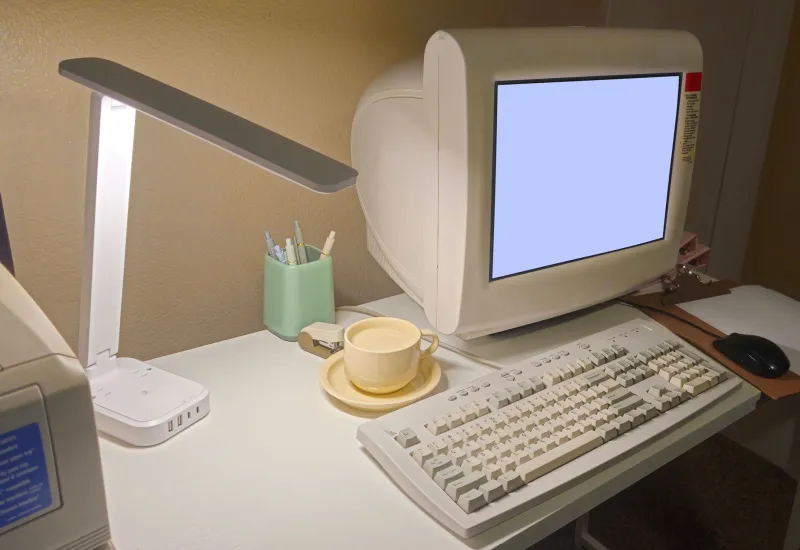
Every few weeks, another nostalgia piece hits the feed: grainy screenshots of GeoCities pages, MIDI music, the screech of a modem. The comments are a funeral. "We had something special," someone writes. "The internet used to be weird," says another. "It was ours."
I'm here to ruin the moment: dial-up nostalgia is a lie. Nobody actually misses waiting forty-five seconds for a single JPEG of a sailboat. Nobody misses broken frames, guestbooks, or a web that was 90% dead links. What people miss — what they're gesturing at and failing to name — is something the old web had by accident and the modern web removed by design.
The Accidental Internet
The early web was a serendipity machine, but not because of any virtue it possessed. It was because of its incompetence.
Search was bad. Recommendation engines didn't exist. Personalization was a joke. So you wandered. You clicked a webring button and landed on a stranger's shrine to a canceled TV show. You followed a link from a fan page and ended up in a forum about freshwater aquariums, and you stayed, because why not — there was no algorithm telling you what you'd already decided to like.
The web was a library where the card catalog was on fire, and the fire was the feature.
Contrast that with now. The modern feed is a mirror polished to a mirror finish. Every surface reflects you back at yourself. The cost of that efficiency is that you never encounter anything you didn't already sort of want. The old web showed you things you didn't want, and some of those things changed your life. The new web shows you things you want, and none of them will.
What We're Actually Mourning
So when someone says they miss the old internet, translate it: they miss being a stranger among strangers. They miss the low stakes of stumbling into a community that wasn't built for them. They miss the sensation — genuinely rare now — of being surprised by a person rather than targeted by one.
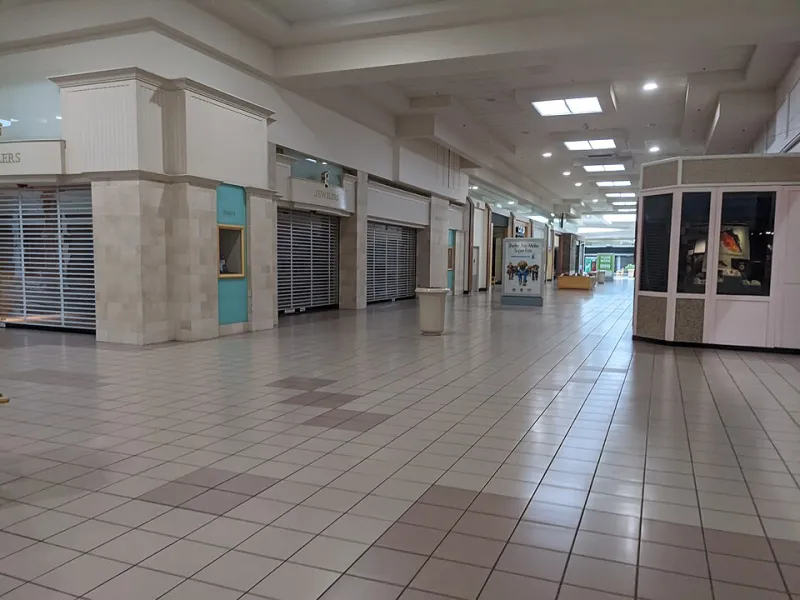
This matters for a US audience especially, because we've spent twenty years treating the web like a retail experience and then wondering why it feels like a mall after closing. The internet didn't get worse because it got faster. It got worse because it got accurate.
A Roadmap for Rebuilding the Accident
Here's the contrarian turn: we don't need to resurrect the old web. We need to engineer its accidents back in. Some starting points:
Randomized discovery, on purpose. A "wild card" button in any feed that serves you content from outside your inferred interests — unpersonalized, unranked, genuinely random. Not exploration within your cluster; escape from it.
Small rooms with doors between them. The healthiest corners of the modern web — small forums, niche Discords, group blogs — fail at scale because they're sealed. What made the old web work was the hyperlink as a hallway. Rebuild webrings: explicit, human-curated links between communities that have nothing to do with each other except that someone liked both.
Friction as a feature. Slow load times weren't the magic, but effort was. Writing a blog post takes longer than posting a take, and the difference is the whole product. Tools that add gentle friction — requiring you to read before you comment, requiring a page load before you react — reintroduce the deliberateness we've optimized away.
Unindexed spaces. A web where some rooms can't be searched. Not because they're secret, but because arrival should require a path, and paths create context. You can't accidentally wander into a place if search drops you there directly.
The Point
The old internet wasn't better. It was worse at everything except the one thing we now starve for: it let us be surprised. Nostalgia for dial-up is nostalgia for the feeling of not knowing what was coming next — and that feeling isn't a property of 56k modems. It's a design decision we stopped making.
We can start making it again. The web got small because we built it that way. We can build it strange.